
The Future of AI in SMEs: Transformative Strategies for Success


The Rise of AI in Small and Medium Enterprises
Artificial Intelligence (AI) is no longer just a tool for large corporations. Small and Medium Enterprises (SMEs) are increasingly leveraging AI to accelerate growth and innovation. By adopting AI, SMEs can enhance efficiency, streamline operations, and offer personalized customer experiences.
AI technologies provide SMEs with the ability to automate routine tasks, giving businesses more time to focus on strategic activities. This transformation is crucial for staying competitive in today's fast-paced market.

Enhancing Customer Experience
One of the most significant impacts of AI on SMEs is in the realm of customer experience. AI-driven chatbots and virtual assistants can handle customer inquiries 24/7, ensuring that customers receive timely and accurate information. This level of service not only meets customer expectations but also builds brand loyalty.
Moreover, AI algorithms can analyze customer data to offer personalized recommendations, creating a more engaging and tailored shopping experience. This personalization is essential for increasing customer satisfaction and retention.
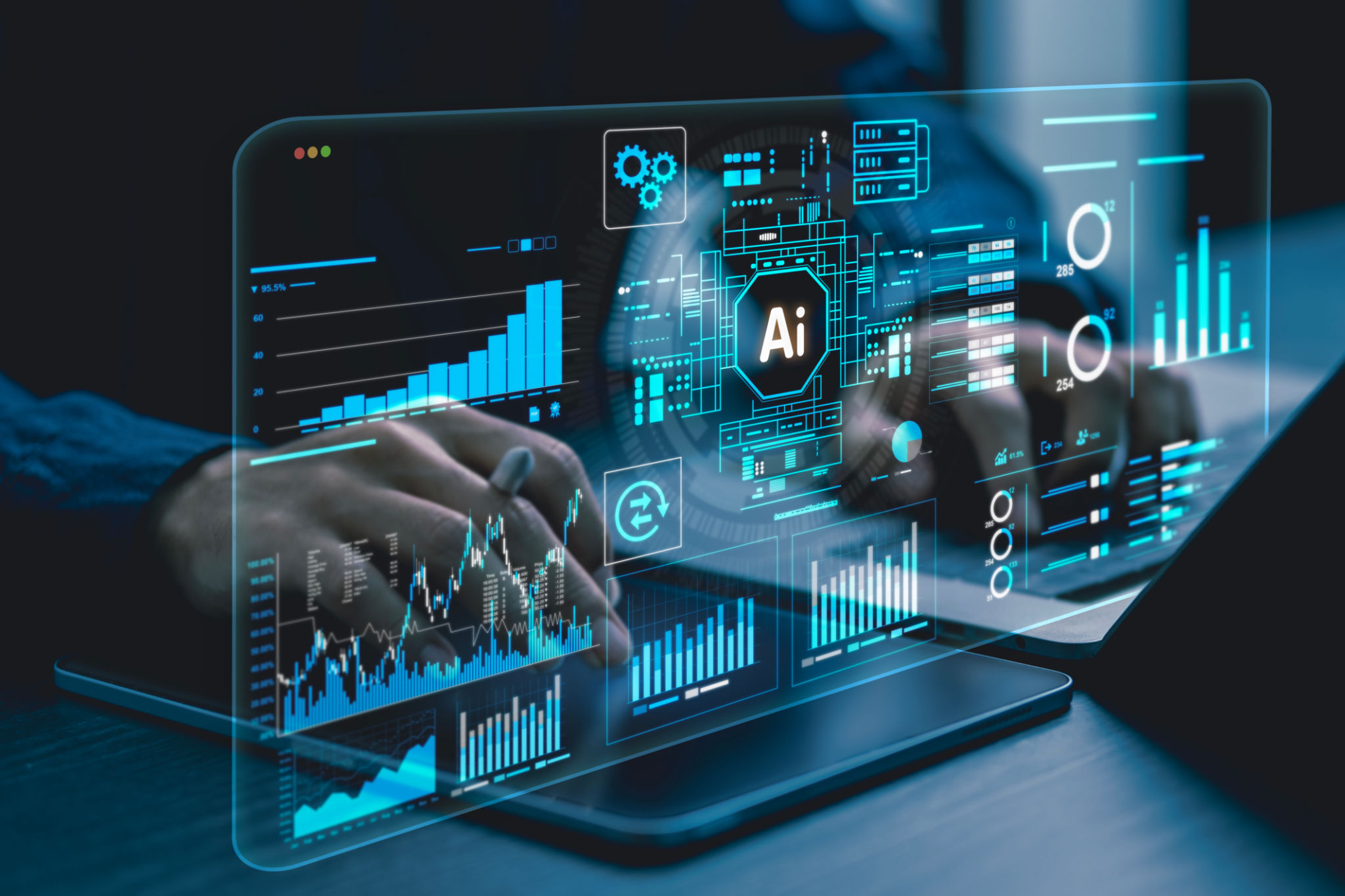
Streamlining Operations
AI can significantly streamline business operations by optimizing supply chain management and inventory control. Predictive analytics help businesses forecast demand more accurately, reducing overstock and minimizing waste. This efficiency can lead to substantial cost savings.
In addition, AI-powered tools can automate back-office tasks such as accounting and payroll, freeing up resources and reducing the likelihood of human error. This automation allows SMEs to allocate their workforce to more strategic roles.

Driving Innovation and Growth
AI fosters innovation by providing SMEs with insights that were previously inaccessible. By analyzing large datasets, businesses can identify new market opportunities and trends, guiding strategic decision-making. This data-driven approach empowers SMEs to innovate and stay ahead of the competition.
Furthermore, AI can help SMEs develop new products and services faster and with greater precision. Machine learning models can be used to test product concepts and predict their success in the market, reducing the risk associated with new launches.

Challenges and Considerations
Despite the benefits, SMEs must be aware of the challenges associated with AI adoption. Implementing AI technologies requires an investment in both time and resources. It is crucial for businesses to have a clear strategy and to invest in training their workforce to work alongside AI systems.
Data privacy and security are also significant concerns. SMEs must ensure that they comply with regulations and protect customer information from breaches. Building trust with customers is essential for the successful integration of AI.
Looking Ahead
The future of AI in SMEs is promising, with potential for significant growth and transformation. As AI technology becomes more accessible and affordable, more SMEs will have the opportunity to harness its power. By adopting AI strategically, SMEs can drive success and remain competitive in a rapidly changing business landscape.
Ultimately, the integration of AI into SMEs is not just about keeping up with technological trends; it's about shaping a future where businesses can innovate and thrive on a global scale.