
The Future of Business: How AI is Transforming Small and Medium Enterprises


Introduction to AI in Business
Artificial Intelligence (AI) is no longer a futuristic concept; it's a present-day reality, fundamentally reshaping how businesses operate. Small and Medium Enterprises (SMEs) stand to gain significantly from this transformation, leveraging AI to enhance efficiency, improve customer experiences, and drive growth.

Streamlining Operations
One of the most impactful ways AI is transforming SMEs is through the automation of routine tasks. By integrating AI-driven solutions, businesses can streamline operations, reducing the time and resources spent on tasks such as data entry, scheduling, and inventory management.
AI tools can analyze vast amounts of data swiftly, providing businesses with actionable insights and freeing up human resources for more strategic roles. This not only enhances productivity but also allows for more agile business operations.
Enhancing Customer Experience
In today's competitive market, providing exceptional customer service is more important than ever. AI technologies, such as chatbots and virtual assistants, enable SMEs to offer 24/7 customer support, ensuring queries are resolved promptly and efficiently.
Moreover, AI algorithms can personalize customer experiences by analyzing purchasing patterns and preferences. This personalization helps in creating targeted marketing strategies, improving customer satisfaction, and fostering loyalty.
Driving Innovation
AI is not just about improving existing processes; it's also a catalyst for innovation. SMEs can leverage AI to develop new products and services, tapping into emerging markets and staying ahead of industry trends.
By using AI-driven analytics, businesses can better understand market demands and predict future trends, allowing them to innovate proactively rather than reactively.
Cost Reduction
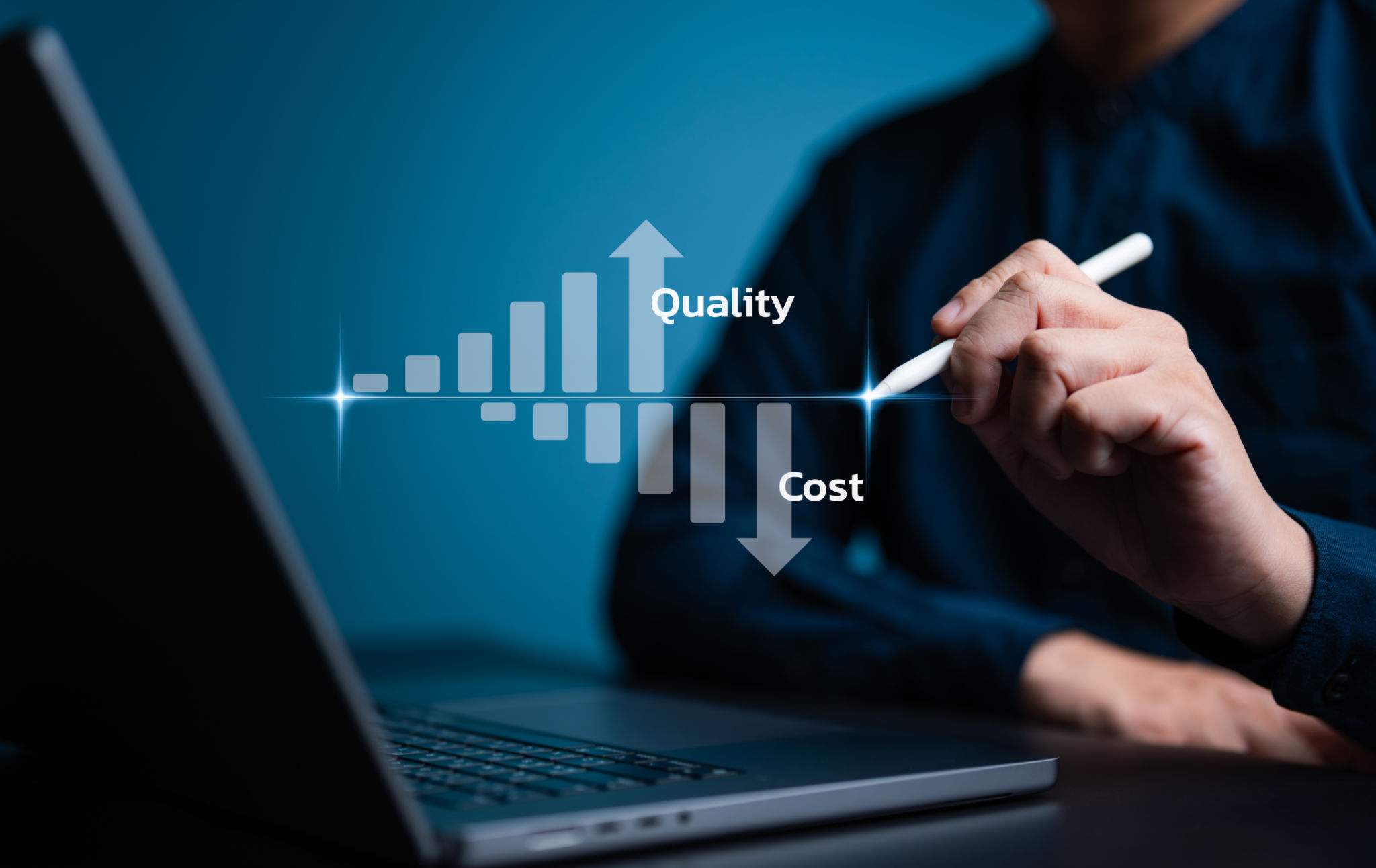
Implementing AI solutions can lead to significant cost reductions for SMEs. Automation reduces the need for extensive labor resources, cutting down on expenses related to salaries and benefits.
Furthermore, AI can optimize supply chain management, reducing waste and increasing efficiency, ultimately leading to lower operational costs.
Challenges and Considerations
While the benefits of AI are substantial, SMEs must also navigate certain challenges. These include the initial investment costs, the need for skilled personnel to manage AI systems, and considerations around data privacy and security.
It's essential for businesses to weigh these factors carefully and develop a clear AI strategy that aligns with their specific goals and capabilities.
Conclusion
The future of business is undeniably intertwined with AI. For SMEs, embracing this technology offers a pathway to greater efficiency, innovation, and customer satisfaction. By strategically implementing AI solutions, small and medium enterprises can not only compete with larger corporations but also thrive in an ever-evolving marketplace.